
Materials & details / 4 min read
Read the material beyond the photograph
Separate frame, finish and upholstery so each question reaches the right source.
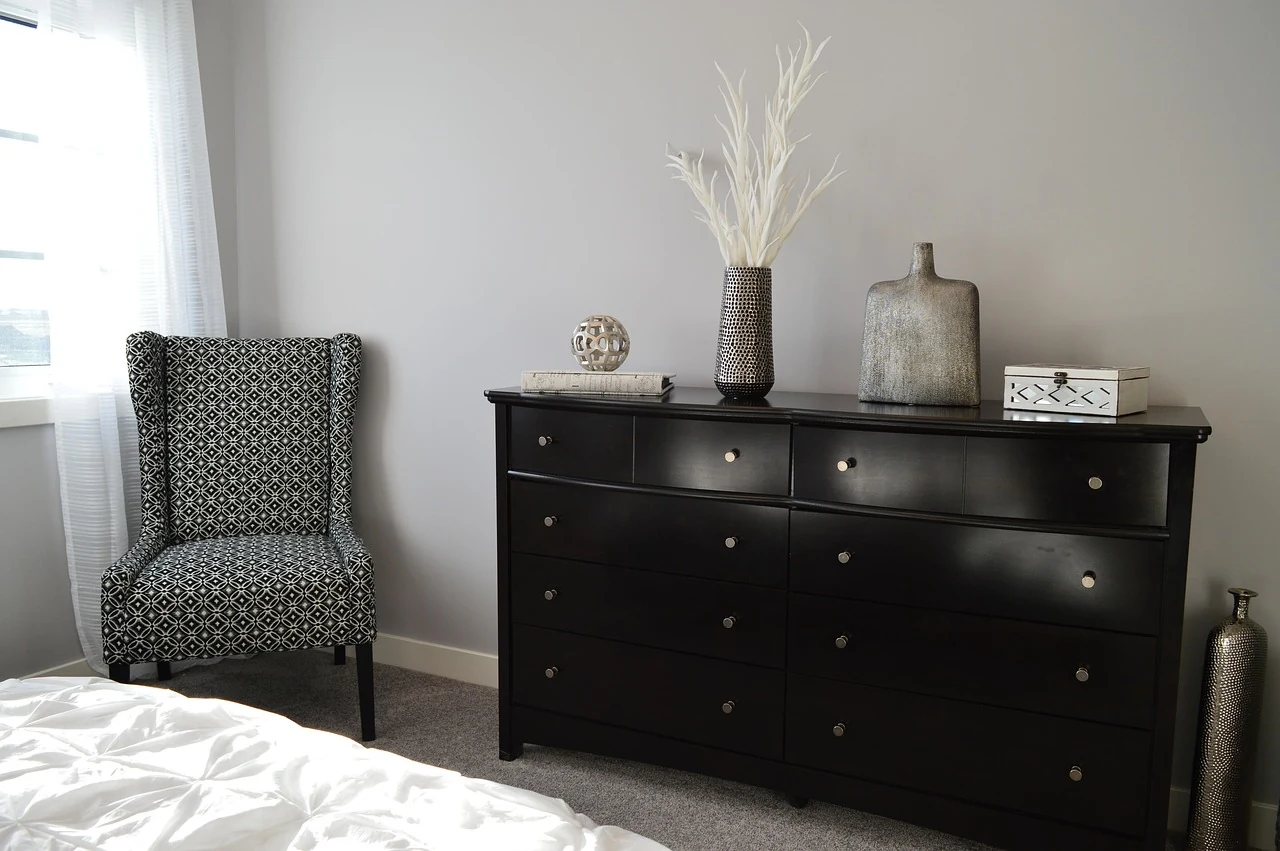
A chair’s appearance can suggest a material without telling you everything about its construction or finish. Begin with the actual product information, then separate the frame, surface treatment and upholstery choices. This gives you a clearer way to compare versions and ask questions. It also keeps a familiar word such as wood, leather or fabric from standing in for the details of the complete item.
Read the specification for the version you want
Keep the exact model and chosen configuration beside the material description. A product family may offer several frames, finishes or coverings, and the information shown in one photograph may not describe every option. If the item page changes when you select a variation, check which details apply to the selection you intend. Save the reference that lets you return to the same combination later.
Look for separate information about the parts of the chair. The visible frame, the seat surface and any cushions may have different descriptions and care references. When a detail matters to your decision, ask the maker or seller to clarify it for that item. This is more useful than treating a broad material category as a promise about how every part will look, feel or be maintained.
Keep wood species and finish as separate questions
Carl Hansen & Søn’s beech page describes the wood and several surface treatments used by that maker, including soap, oil, lacquer and paint. The example shows why the underlying material and the finish need to remain distinct in your notes. It does not establish which treatment is present on an unrelated chair or how that chair should be cared for.
Ask for the finish information that belongs to the actual item. A similar colour in a photograph is not sufficient identification. If you already own the chair and the finish is uncertain, keep that uncertainty visible when seeking advice rather than choosing a treatment from appearance alone. The maker or an appropriate furniture professional can help you investigate the item without turning a general design preference into a repair decision.
Consider upholstery as part of the whole chair
Read the covering description together with the rest of the product information. If samples are available, ask which option each one represents and use them alongside the actual item details. A sample can support a colour or texture comparison with your room, but it does not replace seeing how the complete chair is constructed or understanding its instructions. Keep the purpose of the sample specific.
Notice which questions are visual and which need a factual answer. You may simply prefer a quieter surface beside a patterned rug, while the exact covering, removable-parts arrangement or care reference needs confirmation. Both kinds of observation are useful. Keep your preferred appearance beside the product details you still need the maker to confirm.
Find the matching care reference
Herman Miller’s care and assembly page separates product and material guidance within its own collection. Use the equivalent maker resource for the chair you are considering. Match the reference to the model and relevant materials rather than transferring instructions from something that looks similar. Keep the document or link with the exact product details so you can find it again after the initial research.
If different parts of a chair have different instructions, ask how the maker expects the complete item to be handled. Leave cleaning products, repairs and treatments to the appropriate item-specific guidance. The care-reference guide provides a way to organise those questions without offering a universal recipe for every material or finish.
Choose the relationship you enjoy
Bring the material choice back to the room. Consider the surfaces already present and the effect you want the chair to contribute. A visible frame, a textured covering or a restrained colour can each have a different role. The main chair guide helps weigh that preference alongside purpose and space. A useful material comparison should make the choice easier to explain, while keeping unanswered product questions attached to the item that raised them.