
Care & keeping / 4 min read
Find care guidance for the chair you have
Match the maker’s reference to the model, finish and covering before planning the next step.
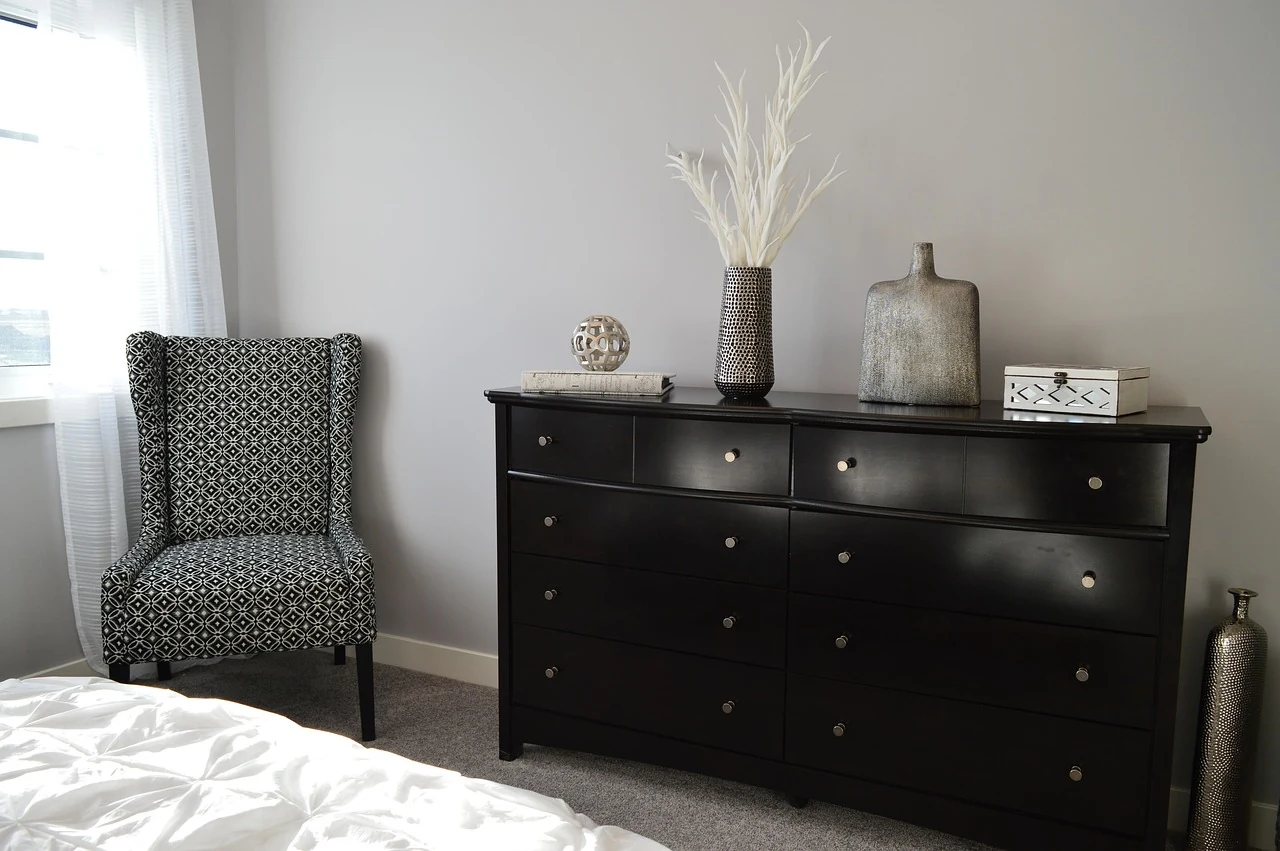
Useful chair-care guidance starts with identifying the item. A model, finish and covering can matter more than the general word used to describe it. Before choosing a product or method, find the information that belongs to the chair you have. Keep routine care, a question about a mark and a possible repair as separate tasks, because they may need different kinds of help.
Begin with the maker and the exact item
Look for the model reference and the relevant material or finish information in the documentation you already have. If the chair has several possible versions, establish which one the instructions describe. A receipt, product record or maker reference may help organise the question, but avoid guessing from an image alone. Keep any uncertainty visible when asking the responsible source for guidance.
Herman Miller’s product care and assembly resource illustrates an item-specific approach: it lists guidance for individual seating products and separate material resources. Use it for the products it describes, and find the responsible maker’s equivalent information for another chair. The useful principle is the match between the reference and the object, rather than the assumption that one company’s instructions work for every similar-looking item.
Distinguish the material from its finish
A wood description does not necessarily identify the surface treatment. Carl Hansen & Søn’s beech resource describes several finishes used on that maker’s furniture. Keep the actual finish alongside the material name in your own record. If you do not know what is on an existing chair, ask the maker or an appropriate professional before planning treatment from a general wood-care tip.
The same attention applies to the covering and other parts. Ask which instructions belong to each part of the complete chair and whether a proposed action affects surrounding materials. You do not need to resolve that from visual inspection alone. Clear identification can prevent a question about one small area from becoming an improvised treatment of the whole object.
Describe what needs attention
When contacting a maker or furniture professional, describe the issue specifically and provide the item information they request. Explain what you have observed and any relevant history you know. Keep observation separate from a guess about its cause. A precise account gives the responsible person a better starting point than a broad request to make the chair look new.
Ask what the proposed service or guidance covers for that item. Keep any assessment, limitations and agreed arrangement with the record. Do not assume that an online cleaning suggestion or a method used on another chair will produce the same result. The aim is an informed next step based on the actual object, not a promise that every mark or change can be reversed.
Keep assembly and adjustments with their instructions
Use the maker’s instructions for any assembly, adjustment or permitted maintenance associated with the model. Check that you have the correct version before relying on a diagram. If something is unclear, contact the responsible source rather than improvising a modification. An editorial room-planning guide can help you identify the question, while the product’s instructions determine how that particular item is intended to be handled.
If a chair is being moved to another room or passed to another person, keep the relevant instructions with it. Share the material and finish information you have confirmed, and distinguish it from anything still uncertain. A compact record can remain useful long after the original purchase research has been forgotten, especially when the appearance of two similar pieces makes it easy to confuse their details.
Make the record easy to use
Keep the exact model, configuration, care reference and responsible contact source together in a simple note. Store private purchase information separately if you share the note with someone helping to look after the furniture. Return to the materials guide for unresolved description questions, or the chair-choice guide when considering another piece. Good information should make care more deliberate and the room easier to enjoy.