
Choosing a chair / 11 min read
Choose the chair with the room in mind
Bring purpose, proportion, material and the everyday room into one considered comparison.
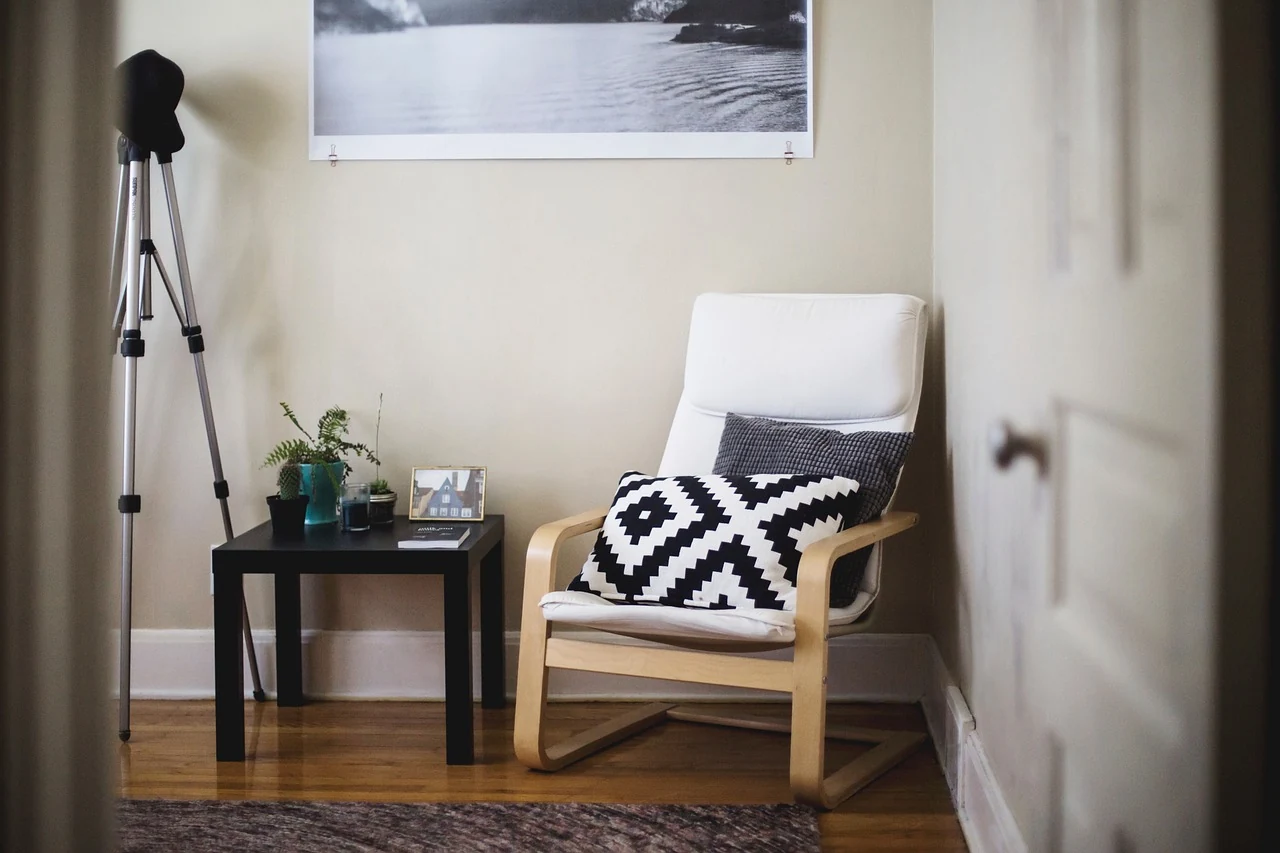
A chair is both an object in a room and a place someone will use. Choosing one becomes clearer when you give those two roles equal attention. The shape may be the first thing you notice, but the room, the routine, the measurements and the material information decide how the idea will work at home. Begin with the life around the chair, then let the appearance become part of a more complete comparison.
You do not need to choose an entire decorating style before making a useful decision. A reading corner, a place at a dining table or an extra seat in a living room can each provide a clear starting point. Name the job the chair should do and the space it will share. That gives the search a purpose and helps you distinguish an appealing photograph from an item worth investigating.
Give the chair a particular role
Describe the ordinary moment you want the chair to support. Perhaps it is where you read after dinner, where a guest joins a conversation or where someone sits at a table. Be specific enough to imagine the surrounding objects and how you approach the seat. A chair chosen for one role may not answer every other need in the room, and it does not have to. A clear purpose makes the comparison less dependent on broad labels.
Think about who will use it and whether the chair will stay in one place. A frequently moved extra seat raises different questions from a large armchair intended for a permanent corner. Consider the way you already use the room rather than inventing a new routine to justify an attractive object. You can change the arrangement, but it helps to know which parts of the existing room are working before introducing another piece.
Write down a small number of priorities in plain language: a seat for a particular place, a shape you enjoy seeing and a material arrangement you are willing to care for. Keep any essential product requirement separate from preferences. The maker or seller can answer specific questions about the item’s intended use and specification; the room plan can answer how that item would relate to the things already around it.
Read the room before reading the catalogue
Look at the room from the points where you actually enter and spend time. Notice the route through it, the furniture you use most and the objects that move during an ordinary day. A room photograph can hide the space needed to open a door, pull out a seat or reach a cupboard. Put those actions into your plan rather than treating the empty-looking area in a picture as permanently available.
Consider what the chair will face. It might join a conversation area, look toward a window or sit beside a table. Place that relationship ahead of a decorative label such as accent chair. The view of its back can matter as much as the front if it stands away from the wall. Think about the whole outline in the room, including the arms and legs, instead of judging only the angle used in the product photograph.
Try a simple sketch with the existing furniture and the proposed position. It does not need to be an architectural drawing. Label the parts that matter and keep the measurements you have actually taken distinct from estimates. The sketch becomes a common reference when another person joins the decision. It can also reveal that moving an existing item would answer the need without adding as much furniture as you first imagined.
Keep the room footprint and the route separate
A chair can appear suitable in its intended position while still raising questions about getting it there. Compare the room arrangement with the delivery route as two related tasks. Room & Board’s measuring resource considers doorways, hallways, stairs and elevators as well as the eventual room. Use the actual seller or delivery provider to assess the item and route you have, especially where turns or building arrangements make the situation less straightforward.
Find the exact dimensions for the version under consideration and read what each figure represents. Overall width is different from a seat measurement; assembled dimensions may be different from package information. Keep the labels attached to the numbers. If a drawing or description is ambiguous, ask the seller to explain it before comparing it with your room. A number without its meaning can create a false sense that a question has already been answered.
For a chair with moving parts, ask the maker for the space and use information relevant to those features. Do not assume the footprint shown in one position describes every way the item is intended to operate. The measurement guide helps you organise the room, product and delivery questions and identify what the maker or delivery provider needs to confirm for your actual chair and home.
Look at proportions as relationships
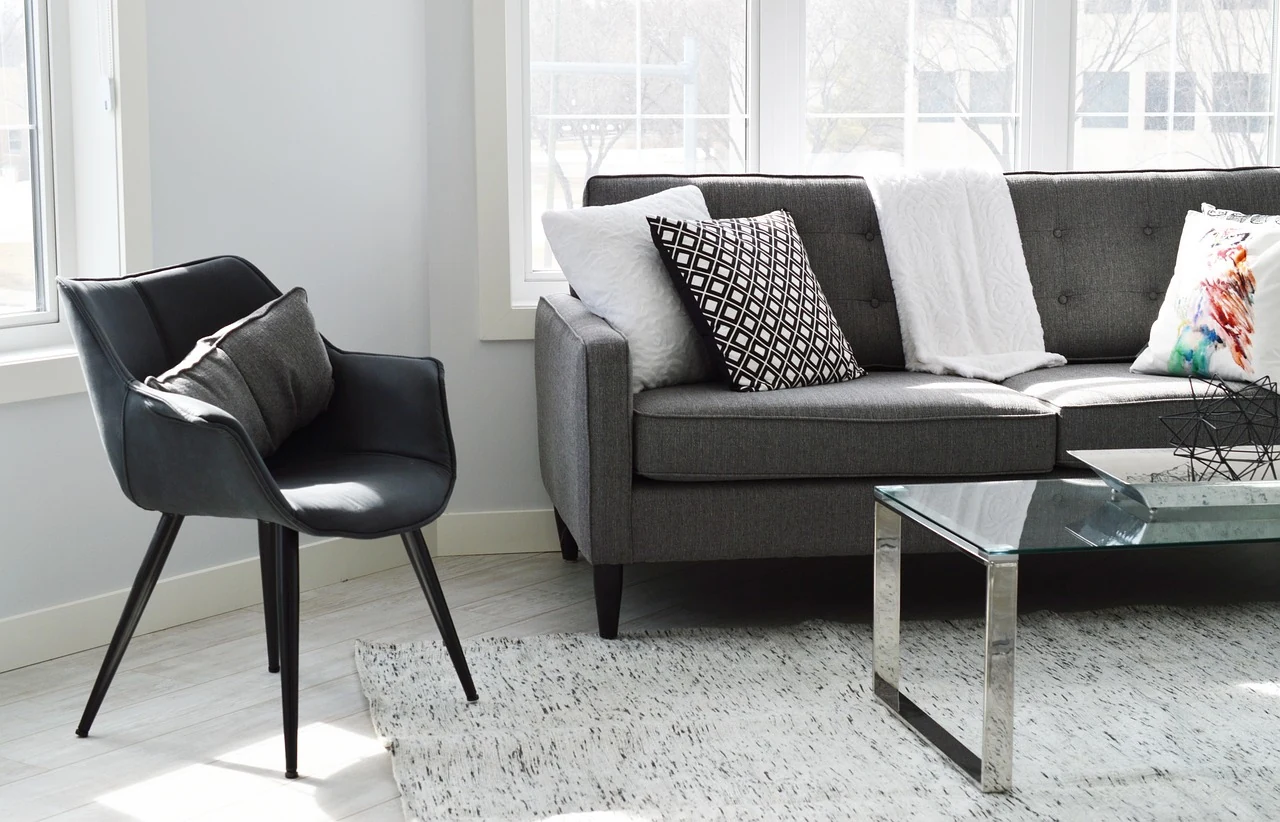
Compare the chair with the objects it will sit beside. At a table, investigate the relationship between the actual table and chair dimensions, including any arms or structure that may affect how the pieces meet. In a living room, consider the surrounding seats and the view through the space. You are looking for a relationship you understand and enjoy, not a single ideal proportion that every room should follow.
A visually light frame and a more enclosed upholstered shape can create different impressions even when their overall dimensions are similar. Look at the spaces within and around the object, not only the outer measurements. If possible, compare the actual item from several angles. A photograph of a chair on its own gives useful information about form, but it does not show the entire effect it will have among your existing furniture.
Keep the idea flexible enough to learn from a comparison. The first chair that catches your attention may clarify a feature you like without becoming the final choice. Perhaps it reveals a preference for curved arms, a visible wood frame or a quieter outline. Carry that useful observation into the next option rather than treating every rejected item as wasted research. The shortlist should become more specific as you discover what matters.
Distinguish material, finish and appearance
Read the actual specification rather than relying on a colour name or a photograph. A wood species, a surface finish and an upholstery description answer different questions. Carl Hansen & Søn’s beech resource describes several surface treatments used by that maker. It is a concrete reminder to ask about both the underlying material and its finish on the particular chair you are considering, rather than assuming that every similar-looking surface needs the same care.
Look for information about the complete version, including frame, upholstery and any removable parts. If there are several finishes or fabric choices, keep the chosen combination attached to the product reference. A care page for another variation may not answer the question you have. The materials guide offers a way to compare those details while leaving product-specific performance and treatment advice with the maker.
When samples are available from the responsible seller, use them as one piece of the decision rather than a promise about the whole chair. View the sample beside the things it will share the room with and ask what the sample represents. A small swatch can help with a colour or texture question, while the complete item still needs its own investigation. Keep your observations specific: what you like, what you have confirmed and what remains uncertain.
Try the actual chair when you can
If you have an opportunity to see and use the item, take the room purpose with you. Notice the way you approach it, sit down, spend an ordinary moment in it and get up again. Follow the maker’s intended use and instructions for any adjustment. Your own experience is useful information, but it should not be turned into a claim that the chair will provide the same experience for everyone or solve a physical problem.
Describe what you notice in practical terms. Perhaps the arms affect the way it sits at your table, or the shape feels different from what you expected from the photograph. Ask the seller about the specific feature rather than accepting a broad comfort label as the whole answer. If several people will share the chair, include their observations without forcing everyone’s preferences into a single verdict.
A brief visit to a showroom or a sample item does not answer every question about the version you may obtain. Confirm the model, finish and configuration being discussed. Keep any unanswered point in the same note as the product details. If a particular requirement goes beyond ordinary furniture preference, seek advice from the appropriate qualified person rather than asking an editorial guide or a general sales description to establish individual suitability.
Plan for the objects around the seat
Think about what you will reach for while using the chair. A book, a table, a lamp or a place for a cup may shape the arrangement as much as the seat itself. Consider these relationships before adding more accessories. You may already own the useful supporting pieces. A clear arrangement can come from placing fewer objects thoughtfully rather than filling every nearby surface.
Look at the room in more than one ordinary situation. A chair positioned for a quiet evening might need a different arrangement when other people visit. Consider whether it will move, what that means for surrounding furniture and where it belongs when not in use. Keep these as practical questions about your room and the maker’s item instructions, not as a reason to assume that every chair is intended to be carried, folded or used in several roles.
Understand the care before committing to it
Find the maker’s instructions for the exact product and materials. Herman Miller’s care and assembly resource organises guidance by product and material, illustrating why the correct reference matters. A general rule for wood or fabric is not a substitute for the instructions attached to a finished chair. Keep the relevant document with the item details, so that a later question starts from something more reliable than a remembered tip.
Ask what routine care and any professional service would involve for the actual item. Consider whether that arrangement fits how you want to look after furniture. You do not need to turn a preference for one finish into a promise about its durability or ease of cleaning. You need enough clear information to decide whether the chair’s care requirements belong comfortably with the way you use the room.
If you are considering an existing or previously owned chair, keep identification and condition questions distinct from style. Try to establish the model, materials and any available maker guidance before planning treatment or repair. An appealing shape does not tell you which finish is present or what work has already been done. The care-reference guide helps organise those questions without offering a one-size-fits-all cleaning or restoration method.
| Question | Keep in your note | Resolve with |
|---|---|---|
| What is it for? | The ordinary activity and position you have in mind | Your room plan and the maker’s intended-use information |
| How much space does it use? | Labelled product dimensions and the surrounding arrangement | The exact item specification |
| How does it arrive? | Entry route, turns and building arrangements | The actual seller or delivery provider |
| Which version is it? | Model, frame, finish and upholstery choice | The maker or responsible seller |
| How will it be kept? | Item-specific care information and unresolved questions | The maker or appropriate furniture professional |
Compare a complete proposal
Keep the exact item and version beside the current offer and any separate service arrangements. Read the responsible seller’s information about delivery, assembly and return or change conditions. Ask for clarification where a detail affects the decision. Avoid comparing two headline amounts while overlooking a different finish, configuration or service. A smaller comparison with consistent information is easier to use than a large folder of attractive but incomplete possibilities.
For each option that remains, write one reason it belongs in the room, one compromise and one question to answer next. This helps you decide whether more research will actually change the choice. If the unanswered question is important, resolve it before adding further options. If it is a flexible preference, acknowledge that rather than allowing it to keep the whole decision open indefinitely.
Leave the room room to change
Try imagining the arrangement after the first excitement of a new piece has passed. Does the chair still support an ordinary day? Can you reach the things you use and move through the space as intended? Consider a gentler version of the plan with fewer accessories or a slightly different position. The object should have a useful relationship with the room, rather than asking the entire room to stay arranged like one photograph.
When you have enough information to choose, keep the product reference, relevant instructions and confirmed arrangements together. Store private purchase details separately from a room sketch you may share. Then let the research become a practical record you can return to when needed. A considered chair choice should leave you with a clearer room and fewer questions to carry, so the seat can become part of daily life rather than a decision you keep reopening.
A small record to keep
- The item:
- Exact model and chosen configuration.
- Its material and finish information.
- Relevant maker care and assembly references.
- The room:
- Measured position and intended use.
- Delivery-route questions and confirmed arrangements.
- The surrounding objects that complete the setting.